Bringing a Shiba Inu into your life can be incredibly rewarding, but this spirited Japanese breed comes with its own unique set of traits and needs. Before you make the decision, it’s important to understand what you’re getting into. Here are the top 10 things every prospective Shiba owner should know.
1. Shibas Are Independent Thinkers
Shiba Inus are known for their independence. They often make decisions on their own, which can be charming but sometimes challenging for training. Be prepared for a dog that thinks for itself and occasionally tests boundaries.

2. Early Socialization Is Crucial
Shibas can be wary of strangers and other animals. Introducing your puppy to a wide range of people, pets, and environments early on helps build a confident and well-adjusted adult dog. Socialization isn’t optional—it’s essential.
3. Grooming Requires Consistency
While Shibas are naturally clean, they shed heavily, especially during seasonal coat changes. Regular brushing keeps their coat healthy and reduces hair around the house. Nail trims, ear checks, and dental care are also important for overall well-being.
4. Exercise and Mental Stimulation Are Key
Shibas may be small, but they are energetic and agile. Daily walks, play sessions, and puzzle toys help prevent boredom and curb destructive behaviors. Mental stimulation is just as important as physical activity for this intelligent breed.
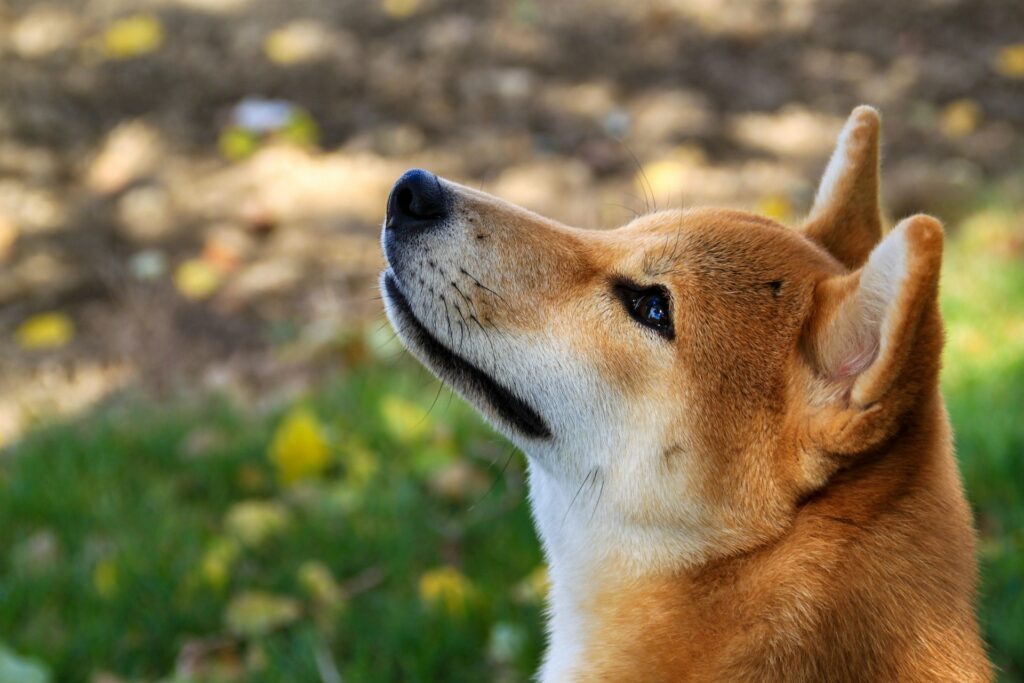
5. They Can Be Strong-Willed
Shibas are not always eager to please, which can make training a bit tricky. Consistency, patience, and positive reinforcement work best. Avoid harsh methods—Shibas respond better to calm guidance than to force or punishment.
6. Shibas Have a Strong Prey Drive
Many Shibas were originally bred for hunting small game, so their prey drive can be high. Always supervise them around small animals and consider secure fencing if letting them off-leash. Recall training is a must for safety.
7. They Thrive on Routine
Shibas appreciate structure. Regular feeding times, walks, and play sessions help them feel secure. Predictable routines make training easier and reduce anxiety in this intelligent but sometimes cautious breed.
8. Understanding Their Vocalizations
Shibas are known for their unique “Shiba scream,” a high-pitched vocalization when frustrated, excited, or unhappy. It can be startling at first, but it’s simply one of their many expressive traits. Learning their cues helps strengthen your bond.

9. Family Compatibility
Shibas can make excellent family pets, but they are best suited to households that respect their independence. Young children should be taught how to interact gently, and supervision is recommended to prevent misunderstandings.
10. Commitment Is Long-Term
Shibas typically live 12–15 years. Bringing one into your home is a long-term commitment that requires time, attention, and understanding. With the right preparation, a Shiba can be a loyal, entertaining, and deeply rewarding companion.