Choosing a dog is about more than appearance or popularity — it’s about personality. Temperament plays a major role in how a dog fits into your home, your routine, and your expectations as an owner. With the Shiba Inu, temperament is especially important. This is a breed admired for its beauty and fox-like charm, but equally known for its independence and strong character.
Before welcoming a Shiba into your life, it’s essential to understand what truly makes them tick. Their personality is unlike many other companion breeds, and while that uniqueness is part of their appeal, it can also present challenges for unprepared owners. Understanding the Shiba temperament helps set realistic expectations and creates the foundation for a rewarding relationship.
Independent but Loyal
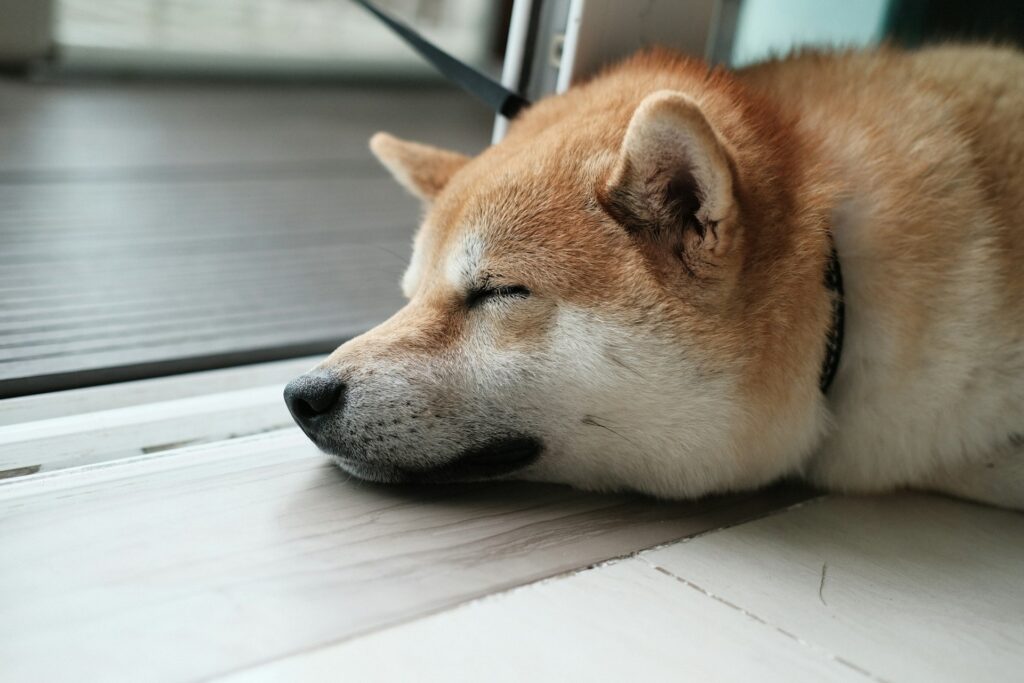
Shiba Inus are often described as cat-like in their independence. They are confident dogs that do not constantly seek approval or attention. Unlike breeds that thrive on pleasing their owners at every opportunity, Shibas are comfortable making their own decisions.
However, independence does not mean indifference. Shibas form strong bonds with their families. Their loyalty may be subtle, expressed through quiet companionship rather than overt affection. They often choose to sit nearby rather than on your lap, keeping watch while maintaining their sense of autonomy. For owners who appreciate a dog with self-assurance and dignity, this trait can be incredibly endearing.
Intelligence and Problem-Solving Ability
Shibas are highly intelligent dogs. They learn quickly, observe closely, and often anticipate patterns in their environment. This intelligence makes them capable learners — but it also means they are skilled problem-solvers.
A bored Shiba may figure out how to open gates, access restricted areas, or entertain themselves in ways you didn’t intend. Mental stimulation is just as important as physical exercise. Puzzle toys, structured training sessions, and varied routines help keep their minds engaged. Owners who enjoy interacting with a clever, perceptive dog will find the Shiba’s intelligence deeply rewarding.
The Shiba’s Strong-Willed Nature
One of the most defining aspects of Shiba temperament is their strong will. These dogs have opinions. They may question commands, test boundaries, or simply decide they have a better idea.
Training a Shiba requires patience and consistency. Harsh corrections typically backfire, damaging trust rather than improving compliance. Positive reinforcement, calm leadership, and clear expectations work far better. Short, engaging training sessions tend to produce the best results. When owners approach training with mutual respect rather than force, Shibas respond with cooperation — even if it sometimes feels like a negotiation.
Prey Drive and Instincts
Originally bred for hunting small game in Japan’s mountainous regions, Shibas retain a strong prey drive. Movement quickly catches their attention, and small animals can trigger instinctive chasing behavior.
Because of this, secure fencing is essential. Reliable recall can be challenging, especially in distracting environments. Many experienced owners choose to keep Shibas on leash in unfenced areas to prevent sudden pursuits. Understanding and respecting this instinct helps avoid frustration and keeps both dog and owner safe.
Socialization and Stranger Awareness
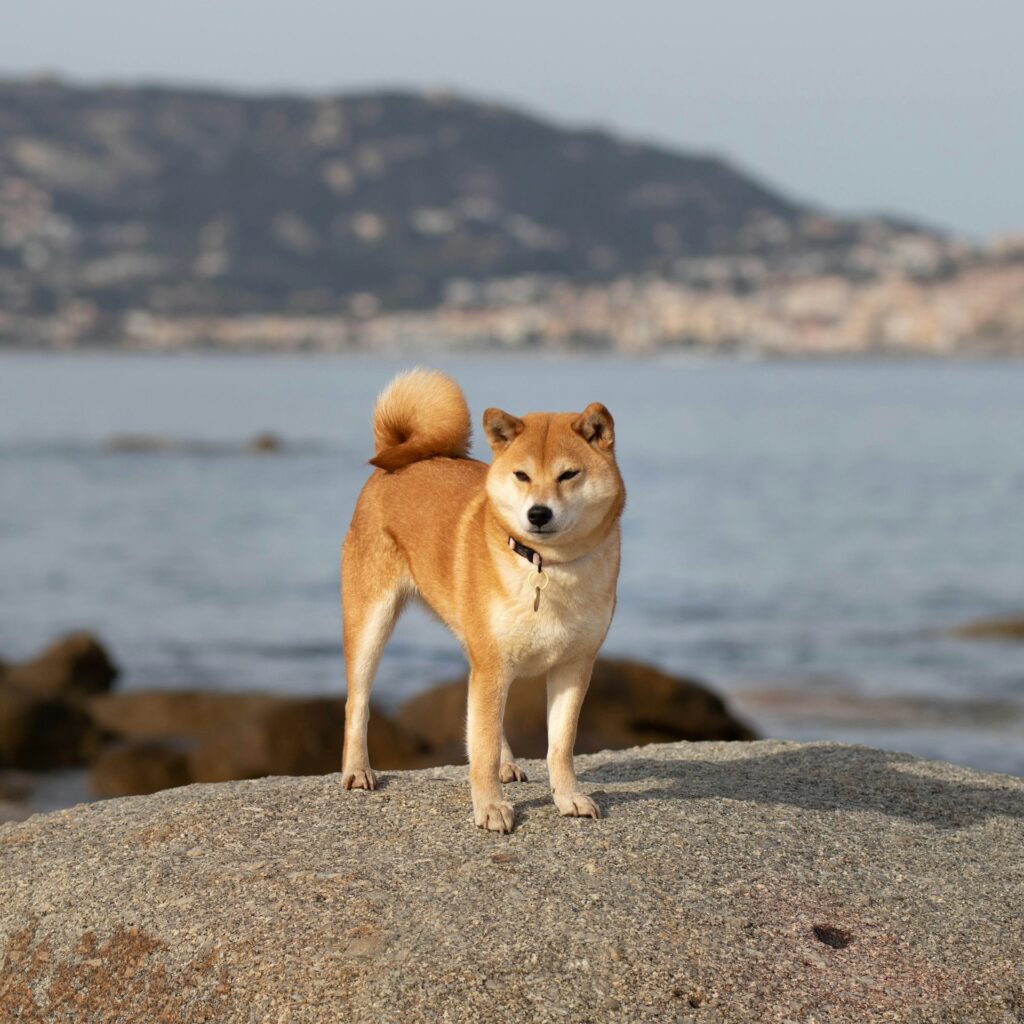
Shibas tend to be naturally reserved with strangers. They are alert and observant, often assessing new people or situations carefully before engaging. Early socialization plays a crucial role in shaping a confident adult dog.
Introducing a Shiba puppy to a variety of people, environments, sounds, and other animals helps reduce fearfulness and overprotectiveness later in life. While they may never be overly outgoing, well-socialized Shibas can become calm and composed in public settings. Their watchful nature makes them attentive companions without being unnecessarily reactive.
Vocalizations and Communication
One of the most famous — and sometimes startling — aspects of the breed is the so-called “Shiba scream.” This high-pitched vocalization may occur when a dog feels frustrated, startled, or strongly opposed to something like a nail trim or bath.
Beyond the scream, Shibas communicate in more subtle ways. Their expressive eyes, posture, and tail position often signal their mood clearly to those who know what to look for. Learning to read these cues strengthens the bond between dog and owner. Understanding their communication style helps prevent misunderstandings and builds mutual trust.
Are Shibas Good Family Dogs?
Shibas can make wonderful family companions, but they are not universally suited to every household. They often do best in homes where their independence is respected and where children are taught to interact gently and appropriately.
Because of their strong personality, they may not tolerate rough handling. Supervision around young children is always recommended. In the right environment — one with structure, clear boundaries, and respect for their space — Shibas can thrive as loyal and entertaining family members.
Is a Shiba Inu the Right Personality Match for You?
A Shiba Inu is best suited to an owner who appreciates a dog with character. They are not clingy, eager-to-please companions, nor are they ideal for someone seeking effortless obedience. Instead, they offer something different: a relationship built on mutual respect, intelligence, and understanding.
Prospective owners should consider whether they are prepared for a dog that may challenge them at times. Patience, consistency, and a willingness to invest time in training and socialization are essential. For those who embrace the breed’s spirited nature, the reward is a confident, loyal companion with a personality unlike any other.
Understanding the Shiba temperament is the first step toward responsible ownership. When their independence, intelligence, and instincts are respected, Shibas flourish — and so do the families who share their lives with them.