If you own a Shiba Inu, you’ll already know how curious and energetic they can be. These dogs love exploring, sniffing, and investigating every corner of their environment. A backyard can be a wonderful place for them to play and burn off energy — but it can also contain a few hidden dangers that many owners don’t think about.
The truth is that dogs experience the backyard very differently than we do. What looks harmless to us can sometimes be tempting, chewable, climbable, or even escapable to a determined Shiba.
Taking a few minutes now and then to check your yard for potential hazards can make a big difference. Here are seven common backyard risks that many pet owners overlook.
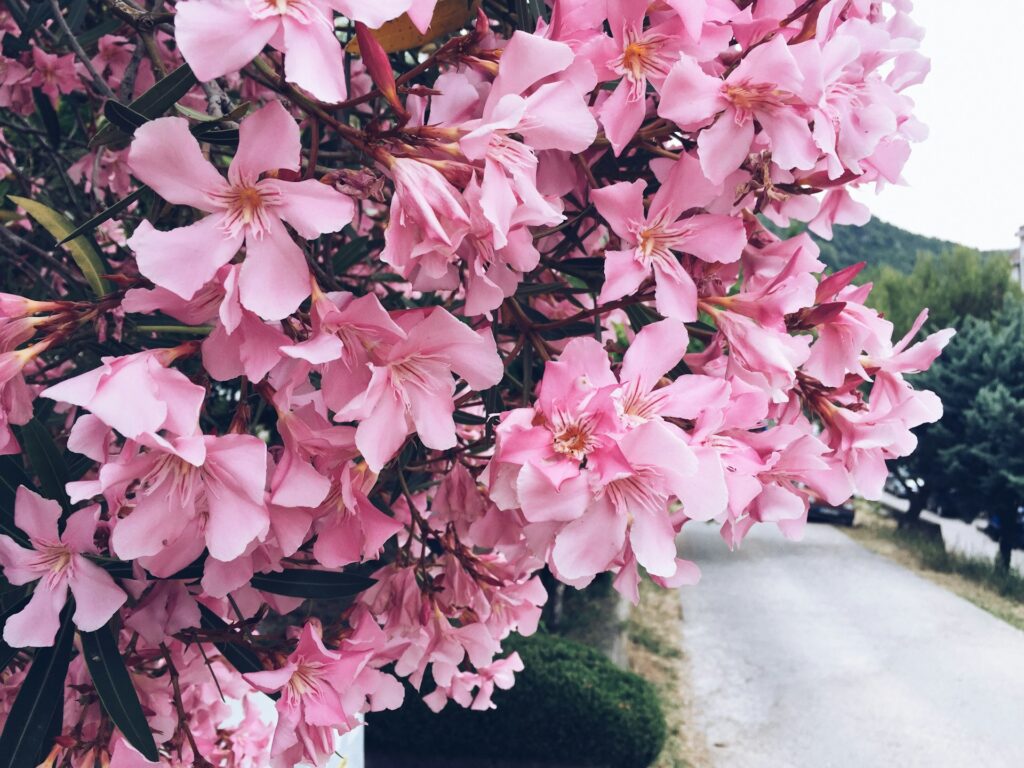
1. Toxic Plants and Shrubs
Gardens often contain plants that look beautiful but can be harmful if a dog chews or eats them. Some plants can cause mild stomach upset, while others may lead to more serious problems.
Curious dogs sometimes nibble leaves or dig around roots, especially when they’re young or bored. Even dogs that normally ignore plants can suddenly decide something new in the garden looks interesting.
Some plants known to cause issues for dogs include:
- Oleander
- Sago palm
- Azaleas
- Certain types of lilies
- Foxglove
If you’re not sure what’s growing in your garden, it’s worth taking a quick inventory. Removing toxic plants or fencing them off can prevent accidental exposure.
It’s also a good idea to keep an eye on newly planted areas. Fresh soil and new plants can be especially tempting for a curious dog to investigate.
2. Escape Points in Fencing
Anyone who has owned a Shiba knows they can be surprisingly clever escape artists.
They are athletic, agile, and very capable of squeezing through spaces that seem far too small. Sometimes owners only realise there’s a gap in the fence after their dog has already slipped through it.
Common escape points include:
- Loose fence panels
- Small gaps at the bottom of fences
- Areas where soil has eroded
- Gates that don’t fully latch
Shibas are also excellent climbers and jumpers. If a fence has horizontal rails or objects nearby that they can use as a step, they might figure out a way over it.
Walking around your fence line every so often is a good habit. Small issues can develop gradually, and catching them early prevents unwanted adventures beyond the yard.
3. Standing Water and Slippery Surfaces
Puddles, water features, and poorly drained areas can sometimes create problems in the backyard.
Standing water can attract insects and bacteria, and some dogs may drink from puddles rather than their water bowl. In addition, wet surfaces can become surprisingly slippery — especially for a dog running at full speed during playtime.
Shibas are known for their bursts of energy, often racing across the yard during what many owners jokingly call “zoomies.” When the ground is slick, that excitement can sometimes lead to slips or minor injuries.
Improving drainage in areas where water tends to collect can help. Keeping pathways clear and stable also reduces the chance of accidents when your dog is running around.
4. Unstable or Damaged Trees
Unruly trees can pose risks if they aren’t in good condition.
Large trees sometimes develop dead branches or structural weaknesses over time. From the ground, everything might look perfectly normal. But higher up in the canopy, branches may be damaged, hollow, or weakened by storms. Strong winds, heavy rain, or simply age can cause branches to break and fall unexpectedly.
Another risk that many dog owners overlook is the debris that unhealthy or damaged trees can drop. After strong winds or heavy rain, trees sometimes shed small branches, twigs, and splintered sticks. Curious dogs often pick these up and chew on them, which can be risky. Sticks may look like harmless toys, but they can splinter easily and cause injuries to a dog’s mouth, throat, or digestive system if swallowed. Regularly clearing fallen branches from the yard helps reduce this risk, and keeping trees healthy and well-maintained can prevent excessive debris from accumulating in the first place.
If you have mature trees in your yard, it can be helpful to occasionally check for signs like:
- Dead or brittle branches
- Cracks in large limbs
- Leaning trunks
- Areas of decay
Liam, a local Dunedin arborist, says many homeowners don’t realise how quickly tree hazards can develop. “Branches can weaken slowly over time, especially after storms or periods of strong wind. Even a tree looks healthy from the ground, it may have deadwood higher up that can eventually fall.” Regular inspections and keeping an eye on your yard can help protect your pets.
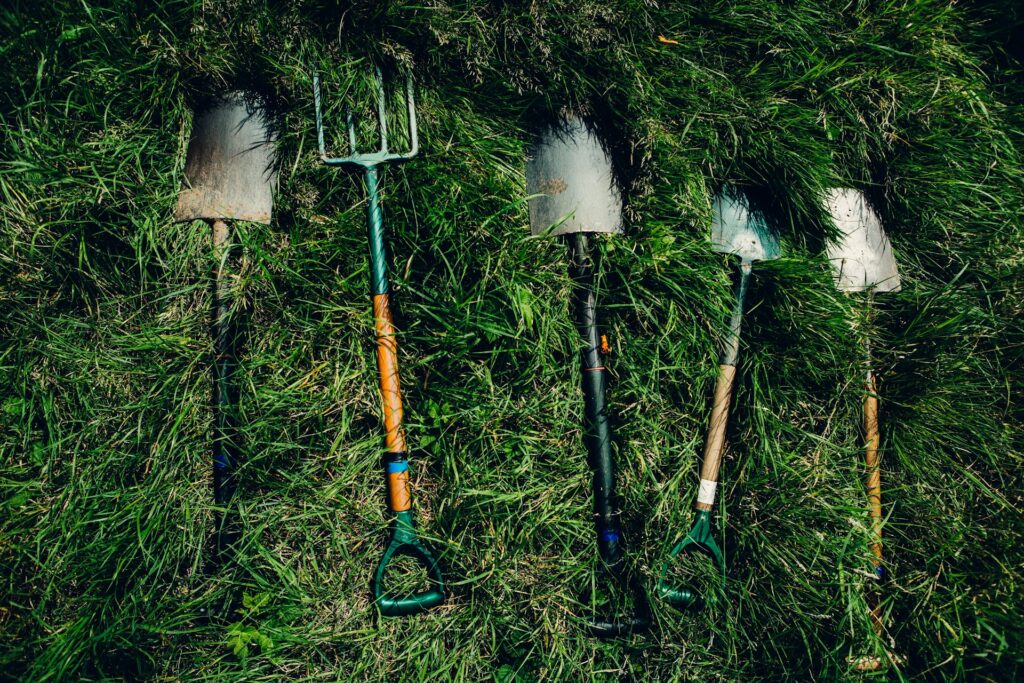
5. Sharp Garden Tools or Equipment
Garden tools are easy to forget about, especially after a busy afternoon working outside.
Items like pruning shears, rakes, and hedge trimmers can become hazards if they’re left on the ground where a dog might investigate them. Some dogs may try to chew handles or carry objects around the yard, which can lead to injuries.
Even tools leaning against a fence or wall can fall if bumped.
It’s a simple habit, but putting tools away after use makes a big difference. A small storage shed or toolbox keeps everything organised and prevents curious dogs from getting too close to sharp edges.
6. Garden Chemicals
Fertilizers, weed killers, and pesticides are commonly used in many backyards. While these products can be useful for maintaining plants and lawns, they sometimes contain chemicals that can irritate or harm pets.
Dogs may walk across freshly treated areas and then lick their paws later. In other cases, they might sniff or investigate pellets or granules scattered on the ground.
If you use garden products, it’s worth checking whether they are labelled as pet-safe and following the instructions carefully. Many products recommend keeping pets off treated areas until the surface is completely dry.
Storing chemicals securely and out of reach is another important step in reducing accidental exposure.
7. Small Objects That Can Be Swallowed
Backyards sometimes accumulate small items without us noticing.
Things like stones, sticks, children’s toys, plastic pieces, or fallen fruit can end up scattered around the yard. Curious dogs may pick these up, chew on them, or even swallow them.
While some dogs quickly lose interest, others may treat these objects like a new toy.
Regularly scanning the yard for loose items helps reduce the risk. It’s surprising how often small objects appear in outdoor spaces — especially after windy weather or garden work.
Keeping the yard tidy not only protects your dog but also makes the space more enjoyable for everyone.
A Quick Backyard Check Can Make a Big Difference
Backyards should be a safe and enjoyable place where your Shiba Inu can run, explore, and relax.
Most of the hazards listed above are easy to manage once you know what to look for. A quick walk around the yard every so often can help you spot potential issues before they become real problems.
With a little awareness and a few small adjustments, you can create an outdoor space that keeps your dog safe while still giving them the freedom to explore and enjoy the fresh air.